
A buffer is a method used in numerous biological processes to maintain pH stability at a specific level without compromising the process. One of the key uses for a pH buffer is in wastewater treatment as they help to manage harmful chemicals by maintaining the required pH levels. This post will look at the six key uses of sodium carbonate bicarbonate buffer.
A sodium carbonate bicarbonate buffer is used in a number of applications where pH levels must remain stable. The buffer allows the process without external interference; thus, the test results should be more reliable.
Drinking Water
The pH levels of drinking water must remain stable after it leaves the filtration plant, and a buffer will support the stability. Buffer systems are placed in water storage systems to ensure that drinking water will be safe for consumption when it leaves the system.
Wastewater
When waste is broken down, it produces acids and many other conditions that can lower pH levels. When pH levels are lowered, this upsets the biological balance and results in several unpleasant situations, such as bulking sludge or the hydrogen sulfide odor.
A sodium carbonate bicarbonate buffer is used to combat these issues to prevent the pH levels from changing. As a result of maintaining the pH levels, the systems used in treatment plants can continue to function without being upset by undigested organic waste or odor issues.
Mixed Domestic and Industrial Wastewaters
Having a system that receives both domestic and industrial waters increases the need for more effective buffer to treat harmful chemicals. Buffers are used in storage tanks and drainage systems to manage the wastewater's pH levels, which helps to manage any toxic substances.
Groundwater
Buffers need to be implemented to manage groundwater effectively for two main reasons. The excess water must be drained quickly to prevent sewers from overflowing and safely retain water for dry periods. Using a buffer will reduce the likelihood of groundwater running into our systems untreated.
Reagent Water
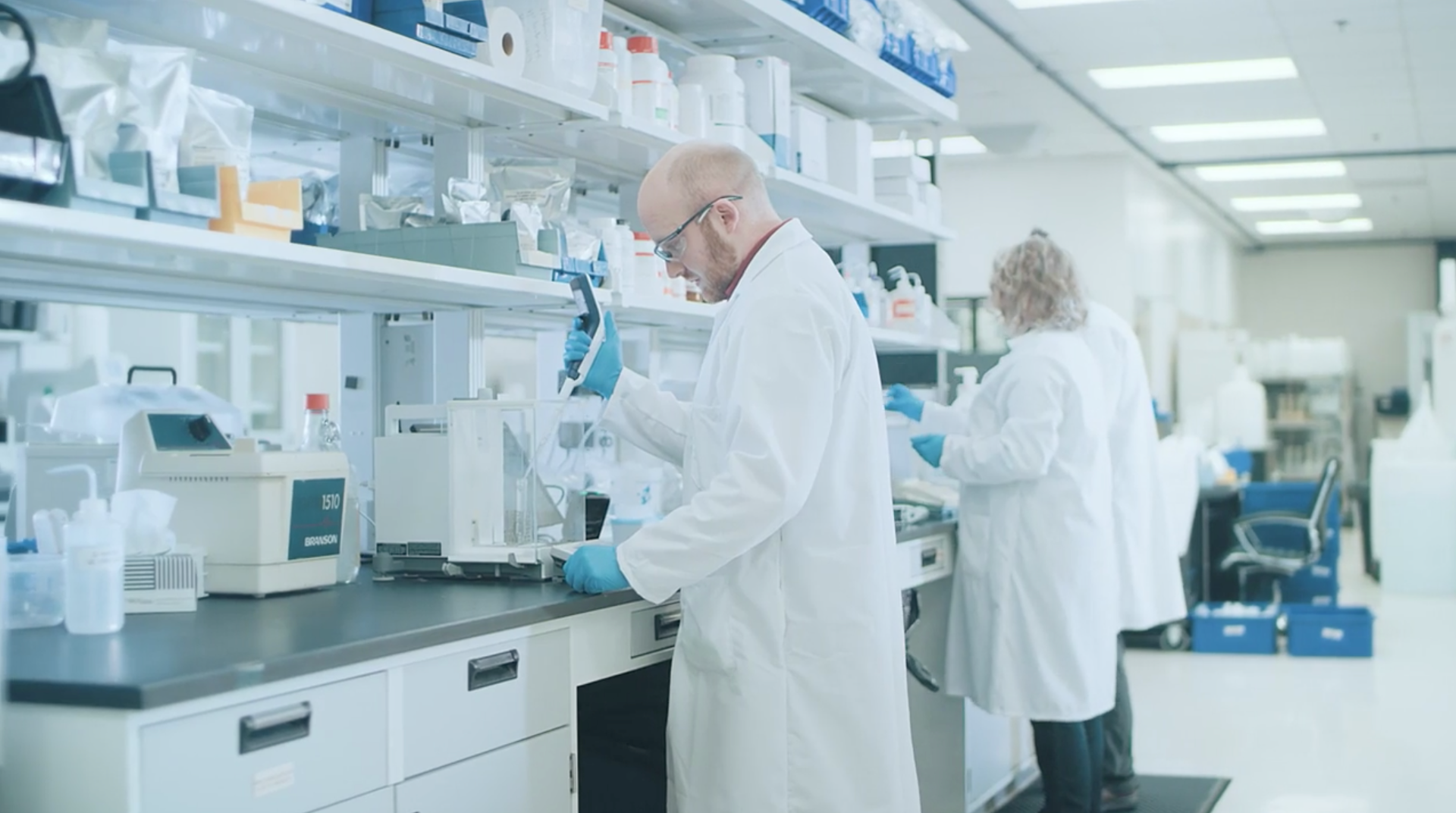
Reagent water is used in laboratories for a variety of purposes such as chemical testing, DNA sequencing, mass spectrometry and many other applications. It is also used to make buffers and pH solutions, which can then be used in tests where pH levels must remain stable.
Solids and Leachates
A leachate is formed when rainwater comes into contact with waste in a landfill. As this happens, the rainwater draws out chemicals and contaminants from the waste (known as leaching). Leachate control systems must be implemented to manage this water and prevent serious human and environmental harm. These systems are installed in or close to the drainage systems and also in storage tanks.
The Benefits of a Sodium Carbonate Bicarbonate Buffer
As previously mentioned, a buffer benefits a process by maintaining pH stability. However, there are a number of additional benefits to using a sodium carbonate bicarbonate buffer. These include the following:
Cost Effective
The sodium carbonate bicarbonate buffer is inexpensive and, due to the additional benefits below, is an overall cost-effective solution.
Long Shelf Life
Solutions with a long shelf life are unlikely to be thrown away because they were not used in time. Long term, this is cost-effective and efficient.
Simple to Use
As the buffers are simple to use, this provides additional benefits, such as reducing the chance of complication and preparation times.
Ultra Clean
An ultra-clean solution is crucial to any laboratory as it reduces the risk of contamination and also minimizes the likelihood of harm to personnel or the local environment that the solution comes into contact with.
pH Buffers at Inorganic Ventures
Inorganic Ventures supply a wide range of pH buffers to suit several different applications, and all of our buffers are tested under ISO 17034 and ISO 17025 guidelines. Our range of sodium carbonate bicarbonate solutions is available in different measurements (250mL to 10L) for pH level 10.
For more information about what products we offer and what applications they can be used in, please don’t hesitate to get in touch with us.