

 The theory of pH buffers was first outlined to meet the growing requirements in biomedical research for pH control. Growing mammalian cells in culture media is highly pH-sensitive; the addition of a pH buffer stabilizes pH and ensures successful cell growth.
 Some pH buffers are almost transparent, having been produced to use in ultraviolet and invisible spectroscopy. They are highly suitable for spectrophotometric determinations due to their low pH range.
 PH buffers are added before fermentation in the production of alcohol, maintaining the pH at a certain level to stop acidity. This is important as acidity would adversely affect the product. The fermentation process leads to pH changes so pH buffer solutions are a crucial aspect of alcoholic drinks.
 In many fabric dyeing methods, pH buffers are needed to retain the correct pH for the dye. An incorrect pH can modify the color of the dye and decrease adherence to the fabric.
 PH buffers are used in the production of numerous cosmetic and personal hygiene products. They work to guarantee that the pH stays neutral or slightly alkaline, decreasing the risk of acidic or highly alkaline products causing skin irritation.
What are pH Buffers?
PH buffers are unique solutions that stop large variations in pH levels. Each pH level produced has a particular buffer capacity and buffer range. The capacity of the pH buffer indicates the level of acid or base that may be added before the pH changes significantly. It may also be described as the amount of strong acid or base that must be added to change the pH of a liter of solution by one pH unit.
The buffer range is the pH range where a buffer can efficiently neutralize added acids and bases while sustaining a constant pH. This is crucial for reactions or processes which require particular and steady pH ranges. The pH of a solution is on a scale of 0-14 and is a temperature-dependent property.
Techniques that Use pH buffers
Environmental Protection Agency (EPA) Methods that Use pH Buffers
- SM4500-H+B – Electrometric method for water analysis (discusses concerns associated with mold and microbial growth)
- EPA 150.2 – Continuous pH measurement of the water sources listed in 150.1 above, apart from acid rain
- EPA 150.3 – Analysis of drinking water
- EPA 150.1 - Analysis of drinking, surface, saline, domestic and industrial wastes, and acid rain
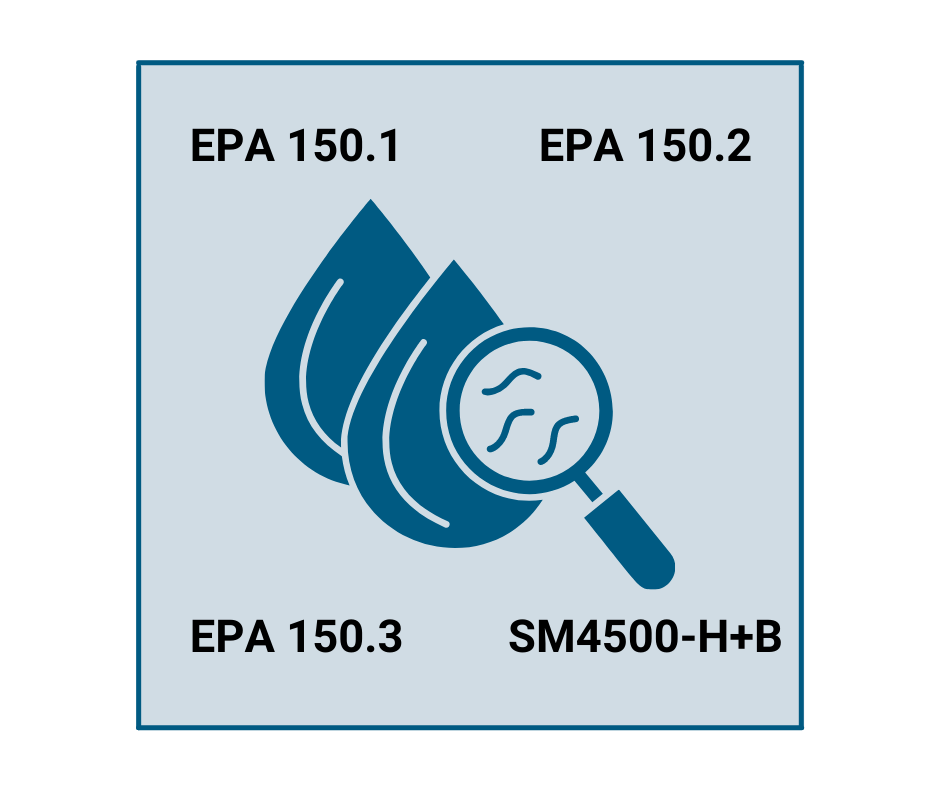
The EPA and Standard Methods advise a two-point calibration which brackets that of the pH range to be tested and suggests that these calibration points need to be three or more pH units apart.
EPA 150.3 particularly advises pH 7 and pH 10 for calibration points and pH 4 as a point to confirm the calibration. Secondary buffers should be employed that have been certified using NIST standards.
PH Buffers for United States Pharmacopeia (USP) and European Pharmacopeia (EP) Methods
- EP 2.2.3 – Potentiometric determination of pH in quality control of pharmaceutical products
- USP <791> – Potentiometric determination of pH of pharmaceutical and patient care products, food and beverage, and supplements
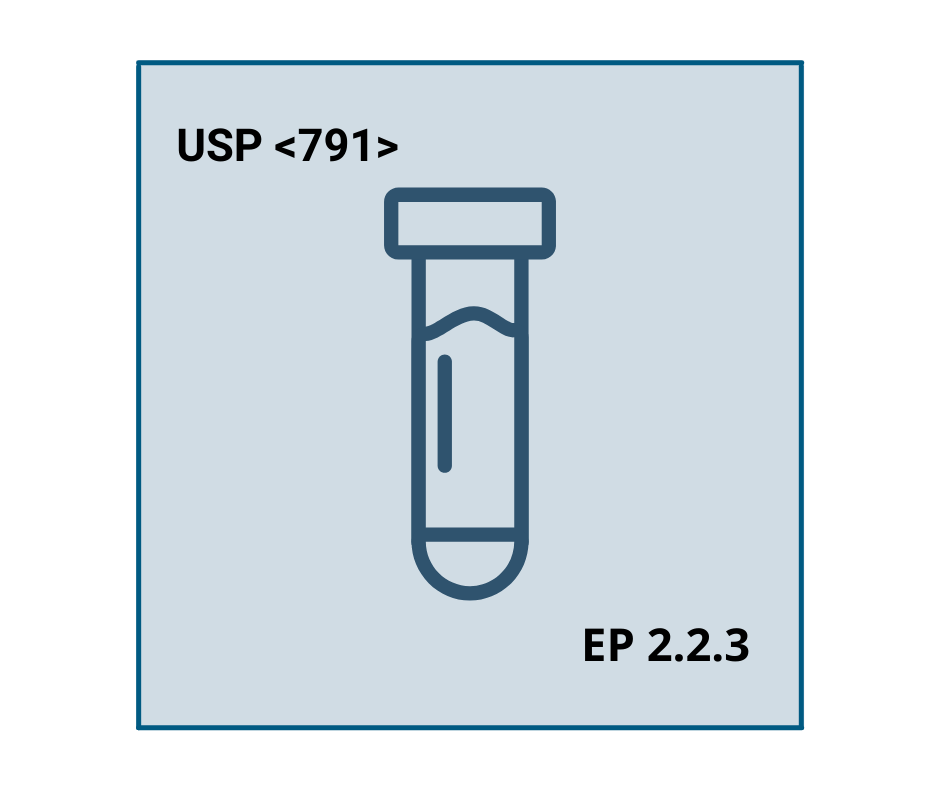
The USP and EP standards for testing pharmaceutical products define comparable techniques by which these analyses should be carried out. In both techniques, a calibration curve of at two points or more is required.
However, the EP defines a calibration procedure in which pH 4 is always used with another buffer of a different pH (often seen as pH 4 and pH 10).
The USP technique dictates that the meter needs to be calibrated with two or more buffers, with a distinction between them of 4 or less, and the expected pH of the sample under analysis needs to fall between the buffers selected (often pH 4, pH 7, and pH 10 are used).
Temperature conditions also vary between these methods; EP 2.2.3 requires measurements to be made at the same temperature, which needs to fall between 20-25C, while USP <791> requires a temperature range of 25 ± 2C.
One of the most crucial points is that the margin of error permitted by the two techniques vary significantly. EPA 2.2.3 states that the value of the buffer used to verify calibration must not alter by more than 0.05pH. USP <791> describes a smaller range – calibration standards may not alter from results obtained over ±0.02pH.
Both the USP and EP are legally binding and enforceable by respective government agencies, as they each play an essential role in preserving the health and safety of the localities for which they were written.
pH buffers from Inorganic Ventures

For analysts tasked with preserving proper pH meter calibration to adhere to methods listed above, Inorganic Ventures’ CRMs offer support, confidence, and control.
Proprietary microbial prevention agent guarantees that the buffers are delivered to your lab ready to use and safe to count on for all your pH analysis needs.Our pH buffers are manufactured and tested under ISO 17034 and ISO 17025 guidelines and fully NIST-traceable. Standards come with a comprehensive Certificate of Analysis (CoA), showing certified values for numerous temperatures.
- Packaged in Transpiration Control Technology (TCT) which ensures scientific integrity for up to 5-years from the date of manufacture.
- NIST-traceable standards, certified within 5% of the nominal values and associated uncertainties of no more than 0.05 pH units
|
Product Offerings |
|
pH 4.01 |
|
pH 10.01 |
|
pH 12.45 |
pH 4, pH 7 and pH 10 are also available as colored solutions.